Visit Slovenia – Day Trips from Ljubljana
Visit Slovenia – Day Trips from Ljubljana
If you are looking for a week-long tour that doesn't involve packing up your bags each day and moving to a new hotel, then this is the tour for you. Ljubljana is the perfect base from which to explore Slovenia on day trips.
7 days / 6 nights
TOUR HIGHLIGHTS
- Discover Slovenia's gems, lakes Bled and Bohinj, located in the heart of the Julian Alps
- Visit Piran, Slovenian little Adriatic treasure
- Go underground to the best-known cave in the world, Postojna cave
- Enjoy the charming capital Ljubljana
- Experience Ptuj, the oldest city in Slovenia
- Taste wines in Goriska brda, Slovenian best wine region
- And more…
GENERAL TOUR INFORMATION
SLOVENIA – Green, diverse, unique, boutique
Slovenia lies in the heart of Europe. It has a border with Italy, Austria, Hungary and Croatia. The capital Ljubljana is a modern, fresh, young, creative and vibrant city. The country is small and most places can easily be reached on a series of day trips from Ljubljana.
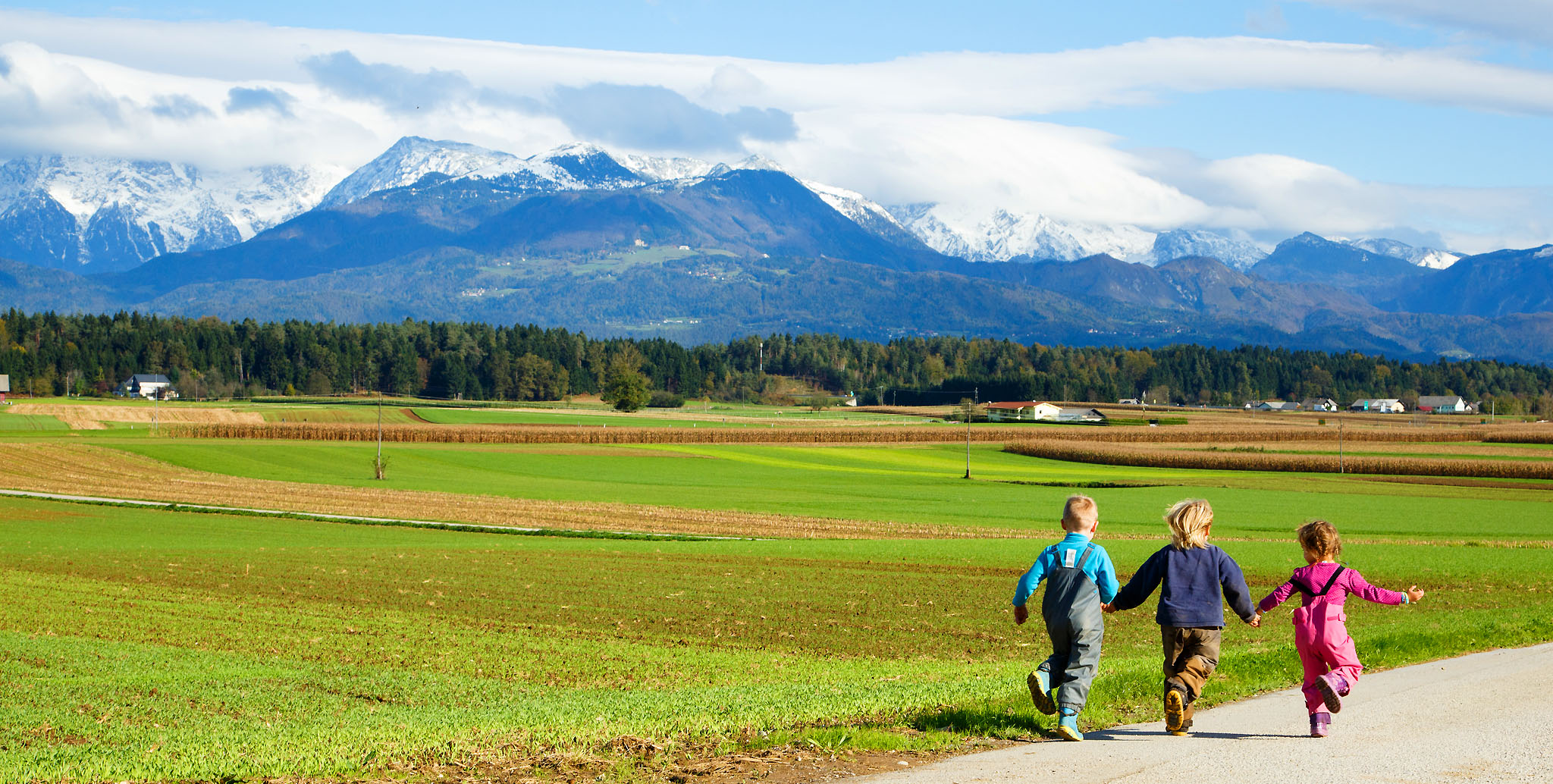
Slovenia, a green and diverse country between the Alps and the Mediterranean, boasts all the beauties of the old world. When you want to experience Europe in one stroke, come to Slovenia. In just 20,000 square kilometres you can find snow-covered mountains, lakes, narrow canyons and white-water rivers. When you explore further you get to the Adriatic coast, beautiful karst caves, thermal springs and the only primeval forest in Europe. All over the country there are quaint villages, medieval cities, antique castles and modern entertainment. For the wine lovers, there are countless vineyards with top quality wines. In this small and easily accessible area, where hundreds of birds migrating south make a brief stop and where dozens of unique indigenous plants find their home, more diverse experiences await you all year round.
DETAILED ITINERARY
Day 1:
- Arrival to Ljubljana airport
- Transfer to Ljubljana and check into hotel
- Free for dinner
- Overnight in Ljubljana
LJUBLJANA – The city of dragons
Ljubljana is a lively green city combining the charm of a small capital and the self-confidence of large European cities. It is the green capital of a green country.
Ljubljana lies at the very heart of Slovenia and boasts a diverse history that traces 3,000 years of Roman, Medieval and Austrian influences. A friendly and cosmopolitan city, it offers a broad selection of things to do. Enjoy a calming walk along the slow-moving Ljubljanica river, one of the cities numerous parks or a more cultural walk along the century’s old buildings in the old quarter. There is also a lively café society to be enjoyed in addition to plenty of atmospheric bars, a broad range of regional restaurants and a host of cultural events.
Day 2:
- Breakfast in the hotel
- Half day private guided tour - Historical city centre and Ljubljana castle
- Return to the hotel
- The rest of the day at leisure
- Overnight in Ljubljana
CITY TOUR OF LJUBLJANA
Take a short walk to Preseren Square followed by a relaxed walking tour around the old quarter. First, you will cross the Three Bridges and the farmer’s market and take the cable car to visit Ljubljana Castle. Climb the viewing tower from where you can admire the Ljubljana basin surrounded by marshes, hills and the Kamnik-Savinja Alps. After your descent discover it’s Renaissance and Baroque facades, decorated portals and vaulted atriums, squeezed between the castle hill and the Ljubljanica river.
LJUBLJANA CASTLE
Perched on top of Castle Hill and dominating the city skyline to the south, Ljubljana’s magnificent castle stands on the site of several former defensive buildings in a hilly area of land stretching away to the south of the Old Town. The castle was built in the second half of the 15th century. The fortress was used to defend against increasing incursions of the Ottoman Army.
Day 3:
- Breakfast in the hotel
- Meet your guide in the lobby
- Transfer towards Bled and on the way stop also in Radovljica for a visit
- Visit of Bled castle
- Free time for lunch
- Pletna boat ride to Bled island
- Continue to Bohinj
- Ride by cable car to Mount Vogel
- Return to Ljubljana
- Free for dinner
- Overnight in Ljubljana
BLED – Crown jewel of the Alps
At just a 30-minute drive from Ljubljana, this is one of the most popular day trips. The picture-postcard alpine town of Bled was once the preferred choice for the Austro-Hungarian empire’s elite. Its many charms include a medieval castle, perched high on a rocky cliff, a scenic lake studded by a tiny wooded island and the alpine splendour of the nearby Triglav National Park. A natural wonderland of glacial valleys, glittering peaks, limestone canyons, ice-cold tarns, flowered meadows, alpine forests, pretty hamlets and cascading waterfalls. It is a tourist place, surrounded by the wreaths of the Julian Alps and Karavanke Alps, placed in a dish-shaped basin of a glacial lake, the warmest in Europe.
RADOVLJICA – The town of gingerbread hearts and the capital of Slovenian beekeeping
Above the confluence of the two rivers Sava Bohinjka and Sava Dolinka, stands a town with numerous preserved monuments of civil engineering. The most important are the Chuch of St. Peter with the vicarage, the manor with an apicultural museum, Sivec house and the only preserved defence shaft in Slovenia. In Radovljica, the father of Slovenian theatre Anton Tomaz Linhart was born (1756-1795). The magnificent medieval old town, its numerous museums, galleries, festivals and events, exquisite cuisine and the outstanding opportunities available for sport and recreation are all reasons to visit charming Radovljica.
LAKE BOHINJ – The heart of Triglav national park
The natural beauty of high mountains, green forests, beautiful mountain pastures and meadows combined with cultural and historical monuments, friendly villagers that operate restaurants and quaint B&B’s, guarantee visitors a pleasant stay in Bohinj. It is an ideal starting point for day trips like walks along the trails running through the valley, mountaineering or climbing. It also offers ideal options and opportunities for rest and relaxation in all seasons. In the winter the valley becomes a sports centre, while during the summer the most beautiful part of the valley, lake Bohinj, invites bathers, kayakers and fishermen.
VOGEL – A bit closer to Heaven
Mount Vogel climbing to 1,922 meters above sea level, is the highest Slovenian ski resort and the first natural barrier north of the Adriatic Sea. It is a high mountain setting in the heart of the protected territory of Triglav National Park. It is accessible by foot or by cable car. From the foot of the mountain, which is not far from Lake Bohinj, you are lifted to the altitude of 1,535 meters above sea level, where you can enjoy an incredible panoramic view of the Julian Alps.
Day 4:
- Breakfast in the hotel, then meet your guide
- Transfer towards Goriska brda, Slovenian best wine region
- Halfway there, in the heart of the Karst, stop at Lisjak homestead for prosciutto tasting and to try typical Slovenian wine teran
- Once in Goriska brda, climb the panorama tower in Gonjace
- Visit Smartno, one of the region's most appealing historic small towns, and have a liquor tasting there
- Free for lunch
- Visit one of the best wine cellars in Goriska Brda and have some wine tasting
- Return to Ljubljana
- Overnight in Ljubljana
GORISKA BRDA – A wine region like no other
This fairy tale landscape is nested on the very western corner of Slovenia, halfway between the Alps and the Adriatic Sea, with an abundance of beauties, attractions and experiences. It stretches on 72 square kilometres and extends through the state border with Italy. Brda is mostly cultivated with vineyards and orchards. This hilly landscape is speckled with villages, some clustered like birds’ nests, some elongated and dispersed, with houses spread along the ridges, but all of them surrounded by the greenery of vineyards and orchards with paths winding among them.
Day 5:
- After breakfast meet your guide
- Transfer to the eastern part of Slovenia
- City tour of Maribor
- Free time for lunch
- Continue to Ptuj for a visit to the town and castle
- Return to Ljubljana
- Overnight in Ljubljana
MARIBOR – The second capital
The Stajerska region capital, the second largest city in Slovenia, invites you to discover its wine-growing hills and green surrounding area called Mariborsko Pohorje. It is its foothills and slopes that are developing into a key tourist area. Extensive vineyards, which rise from the edge of town over the hills of Maribor are interwoven with more than 50 kilometres of wine roads. Discovering Pohorje's primeval forest and pure waters offers an unforgettable experience for ramblers as well as lovers of horse riding and cycling. Stroll through the proud centre of north-eastern Slovenia, the university city of Maribor. Bearing witness to a flourishing history is the rich architecture of past centuries, which reflects in the facades of the houses. Maribor is becoming a modern shopping place and one of the biggest tourist centres in the country. Along the river Drava, a leisure stroll will take you past numerous cafés to “Stara trta” a grapevine in Lent, named as the oldest grapevine in the world by the Guinness Book of World Records. Treat yourself to some refreshment and relaxation in the restaurants and wine cellars or to some food for the soul in the museums and art galleries and numerous cultural events.
PTUJ – The oldest city in Slovenia
Ptuj is the oldest town in Slovenia, full of interesting sights such as the uniquely beautiful ‘Orpheus’ monument in the centre of town, a Roman tombstone that dates from 2nd century, and a wide range of medieval, baroque and renaissance architectural treasures. During your visit you also should not forget to see the glorious castle of Ptuj. Its rich history reaches back to the Stone Age, but the city experienced its greatest flowering in the Roman period. The name originated in the times of Emperor Trajan, who granted the settlement city status. In 69 A.D., emperor Vespasian was elected in Ptuj, and the first written mention of the city of Ptuj is from the same year. Once a roman settlement Poetovio, as it was known, contributed very well to its lively history, and so had developed into an important cultural, administrative, economic, educational and commerce centre worth visiting at any time of the year.
Day 6:
- Breakfast in the hotel
- Meet your guide
- Transfer towards the coast
- On the way stop in Postojna to visit the cave
- Free time for lunch
- Continue to Predjama castle to admire it from the outside
- Proceed to Piran for a visit
- On the way back to Ljubljana stop in Portoroz
- Return to the hotel
- Overnight in Ljubljana
POSTOJNA CAVE – A masterpiece of nature
The Postojna cave system is the largest known cave system in Slovenia. A visit to a cave such as Postojna deserves full attention due to the diversity of shapes, expansive cave areas, stalactite and stalagmite formations and water characteristics. Admire its unique Karst underground world of beautiful formations of stalactites and stalagmites. You can also see an unusual and rare underground animal Proteus Anguinus, the so-called “human fish”. A visit to Postojna cave is a special experience, as an electric train takes visitors to their hour and a half-circle visit of the cave. From the train station inside the cave, guides accompany visitors as they walk amongst magnificent creations of nature.
PREDJAMA CASTLE – A castle in the rocks
Predjama Castle reigns over the surrounding area, perched high up in a vertical cliff, not far from the Postojna Cave in the idyllic village of Predjama. It is an interesting and romantic sight throughout the year. In the spring and the summer, its surroundings are abundant with blossoms and flowers, in the autumn it is clad in the colours of surrounding forests but it is at its most enchanting in the winter when the surrounding area is covered with snow. It was referred to in writing for the first time in 1202. Erazem of Predjama is the main protagonist of numerous legends about the castle – on the one hand these legends glorify him as a passionate, handsome and noble knight, while on the other hand he is described as a bandit and a robber baron, who eventually breathed his last breath in the castle.
PIRAN – A taste of Venice
Piran is a typical Mediterranean town characterised by the lovely St. Georges Church and square, named after Piran’s most famous citizen, musician Giuseppe Tartini. It is situated at the cape of the Piran peninsula on the northern side of Istria. The town is one large museum with medieval architecture and rich cultural heritage. Narrow streets and packed houses form a special charm. Piran is also an administrative centre of the local area and important Slovenian tourist centre.
PORTOROZ – The Slovenian riviera
Sea, wind, salt, Mediterranean odours, palms, roses and evergreen plants, relaxation, entertainment and companionship are the words with which we can easily describe Portoroz, a seaside resort in the heart of Europe. The intermingling of various cultures and music expressions, nature, culinary delights and turbulent historical events create an atmosphere, in which the everyday life stress and tensions disappear in a relaxed state of mind. The relaxing stroll on the shoreline, recuperating run on the beach, swimming in the sea and pools, beauty and health programs in spas, or sports and recreational activities, will fill you with new energy. Portoroz is also a great departure point for sailing in the Adriatic.
Day 7:
- Breakfast in the hotel and check-out
- Transfer to Ljubljana airport for your departure flight
About
SummaryIf you are looking for a week-long tour that doesn't involve packing up your bags each day and moving to a new hotel, then this is the tour for you. Ljubljana is the perfect base from which to explore Slovenia on day trips.
LocationLjubljana, Ljubljana & Central Slovenia
CategoriesTours
Listing Tagsday trips from Ljubljanaslovenia tours
Additional info
Additional info<strong>SERVICES</strong>
<strong>____________________________________________________________________________________________________</strong>
<strong>INCLUDED:</strong>
<strong>TRANSFERS:</strong>
<ul>
<li>Air-conditioned vehicle through the whole tour including fuel, pay tolls and parking fees</li>
</ul>
<strong>ACCOMMODATION (in DBL or SGL room, breakfast included): </strong>
<ul>
<li>6 nights in Ljubljana</li>
</ul>
<strong>GUIDES:</strong>
<ul>
<li>English speaking driving guide, including his meals</li>
</ul>
<strong>ENTRANCE FEES AND ACTIVITIES:</strong>
<ul>
<li>Cable car to Ljubljana Castle and entrance fee for the virtual museum and the tower</li>
<li>Entrance fee to Bled castle, pletna boat ride & St. Mary church</li>
<li>Return ticket for Mt. Vogel cable car</li>
<li>Prosciutto and teran tasting at Lisjak homestead</li>
<li>A liquor tasting in Smartno village</li>
<li>Wine tasting with snack in Goriska brda</li>
<li>Entrance fee to Ptuj castle</li>
<li>Entrance fee to Postojna Cave</li>
</ul>
<strong>OTHER:</strong>
<ul>
<li>Organization of the tour & VAT</li>
<li>Tourist tax</li>
</ul>
<strong>EXCLUDED:</strong>
<ul>
<li>Services not mentioned in the program</li>
<li>Porterage</li>
<li>Tips</li>
</ul>
<strong>OPTIONAL SERVICES:</strong>
<ul>
<li><strong>Ljubljana food tour (Day 2):</strong> Instead of a regular city tour of Ljubljana it is possible to do a culinary food walk, and experience the yummy side of Ljubljana. You get to see everything like on a regular tour, plus you eat along.</li>
<li><strong>A special optional add on in Bled (Day 3):</strong></li>
</ul>
If you ever wanted to have a look at the kitchen of a Slovene housewife, who is always happy to share her local knowledge with the foreigners, this is something you should add to your tour. Visit mama Bojana and her home.
Bojana lives in Bled, the most beautiful corner of Slovenia. She has received an award for her efforts in preserving the cultural and natural heritage. She invests not only knowledge and rich experience in her work, but above all a big heart. She is a very good cook and a very warm host, and she will prepare for you seasonal dishes from ingredients that are available at the time of your visit.
<ul>
<li><strong>Olive oil tasting at Lisjak olive oil farm (Day 6):</strong></li>
</ul>
Lisjak‘s olive-growing tradition is more than 150 years old - olive oil is their passion, their life. The knowledge and their newest and most advanced mill in the area gives them the opportunity to make one of the best olive oils in the world. Their oils were awarded as no. 1 in the world for several times in a row.